







Search Results for: extraction instability

Is the instability of pour-over coffee flavor just mysticism? Analyzing the extraction science of grind, water temperature, time, and ratio
Many coffee enthusiasts have experienced this confusion: why does the same bean taste different every time it's brewed? Occasionally a stunning cup of coffee is brewed, but it's hard to reproduce afterwards, so some people attribute coffee extraction to "metaphysics." But in fact, extraction is a quantifiable, reproducible scientific process. Water acts as a solvent, dissolving the flavor substances from the coffee grounds, while parameters such as grind size, water temperature, time, and coffee-to-water ratio all directly affect extraction efficiency, and thereby determine the final flavor in the cup. Taking Ethiopia Huakui as an example, Front Street uses 15g of grounds, a 1:15 coffee-to-water ratio, caster sugar grind size, and a two-minute three-pour brewing method to consistently obtain a coffee with balanced acidity and sweetness, carrying citrus, strawberry, and creamy floral aromas. This article will systematically explain how to achieve flavor stability and targeted adjustments by recording and controlling parameters, and explain the scientific logic behind the differences in dissolution rates of sourness, sweetness, bitterness, and saltiness. [more…]

Pour-Over Coffee Beginner's Guide: From Water Quality to Pouring Technique, Mastering the Key Points of Consistent Extraction
Friends who are just getting into pour-over coffee often feel that it is something of a mystery, but in fact, as long as you understand the principles of extraction, many confusions can be easily resolved. In daily conversations with customers, Front Street Coffee has found that most people brew inconsistently because they do not understand the logic behind pour-over. This article sorts out the core knowledge of pour-over coffee one by one, from water quality selection, coffee bean freshness, equipment and dripper pairing, grind size, water temperature control, blooming techniques, to pouring methods, and uses V60 staged extraction as an example to give specific parameters and operating steps, helping beginners build a systematic brewing framework and gradually improve consistency through repeated practice. [more…]
Why Do Dark Roasts Need Longer Resting? Analyzing the Impact of CO₂ Release and Oil Migration on Espresso Extraction
Many coffee enthusiasts wonder: dark-roasted beans have a loose texture, so logically the rest period should be shorter—why does it actually require more time? This article approaches the question from two angles, carbon dioxide release and oil emergence, to explain the fundamental reason why the resting period for dark-roasted espresso beans is extended. Excess carbon dioxide interferes with stable extraction on an espresso machine, affecting crema quality and troubleshooting costs; whereas medium-dark roasted beans gradually release oil during storage, which can improve crema stability and coffee body. Front Street Coffee recommends resting medium-dark roasted espresso beans for about 10 days, with darker roasts extended depending on their condition. It also reminds readers that too much oil accelerates oxidation, so attention should be paid to sealed storage and timely consumption. [more…]
Price Differences and Flavor Comparison Analysis Between SOE Single-Origin Espresso and Pour-Over Coffee Beans
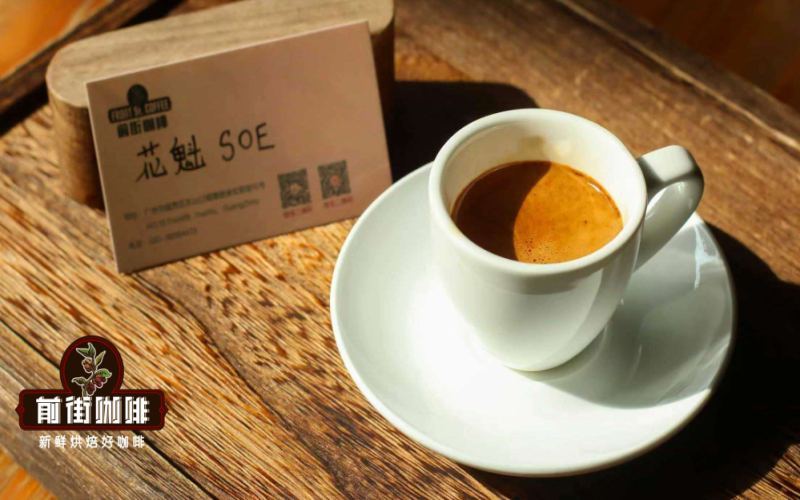
SOE (Single Origin Espresso) has become a popular choice for specialty and chain coffee shops in recent years. It uses single-origin beans extracted through an espresso machine, allowing the character of a producing region to shine through at high concentration. This article takes "Front Street Yirgacheffe Gudingding Cooperative Washed Beans" as an example, comparing the flavor differences of the same bean prepared by pour-over and SOE, analyzing SOE's advantages as well as shortcomings such as instability, and offering suggestions for selecting coffee beans suitable for SOE, including specific recommendations such as Front Street Strawberry Candy, Brazil Queen's Estate, and Granada Geisha, as well as Front Street's commitment to fresh roasting. [more…]
What exactly is the difference between SOE espresso and espresso blends? A guide to Front Street Coffee Red Cherry SOE medium roast and espresso bean choices
In recent years, SOE has continued to gain popularity in the coffee world, and many barista competition contestants frequently choose this type of coffee. SOE stands for Single Origin Espresso, which typically highlights the aroma and full-bodied richness of its region of origin. However, SOE is not inherently equivalent to specialty coffee; in fact, selecting beans for it tests one's expertise even more, and generally, single-origin beans with highly distinctive flavors are chosen for it. Front Street Coffee has also launched SOE products, using Ethiopian natural red cherry beans, which stand out for their fruity sweetness and floral notes, and Front Street Coffee has specifically released a medium-roast version for home espresso machines. So, what exactly is the difference between SOE and pour-over, and between SOE and espresso blends? What parameters should be noted during extraction? This article will explore these questions and also introduce Front Street Coffee's approach to choosing espresso blend beans. [more…]

Nine common operational mistakes made by pour-over coffee beginners—only by troubleshooting them one by one can you consistently reproduce good flavor
When brewing coffee at home, you follow the barista's advice to the letter, yet the result is always far from what you get in the café. The problem often isn't how advanced your technique is, but rather some easily overlooked basic details. Front Street Coffee has sorted out the nine most common operational oversights among beginners: not rinsing the grinder before grinding beans, which causes flavor transfer; the filter paper not sitting flush against the dripper; over-tamping the grounds; inadequate checking before pouring; confirming water temperature too early; uneven blooming; imprecise execution of parameters; staring only at the digital scale and not at the coffee bed; and drinking without swirling the coffee first. These steps seem minor, yet they directly affect extraction uniformity and the final taste. Only by checking them one by one and turning them into habits can you reduce sources of instability at the root and more quickly find the real reason your coffee doesn't taste good. [more…]
Exploring the Root Causes of Espresso Extraction Flow Rate Variation: The Impact of Grinder Hopper Pressure on Coffee Flavor Stability
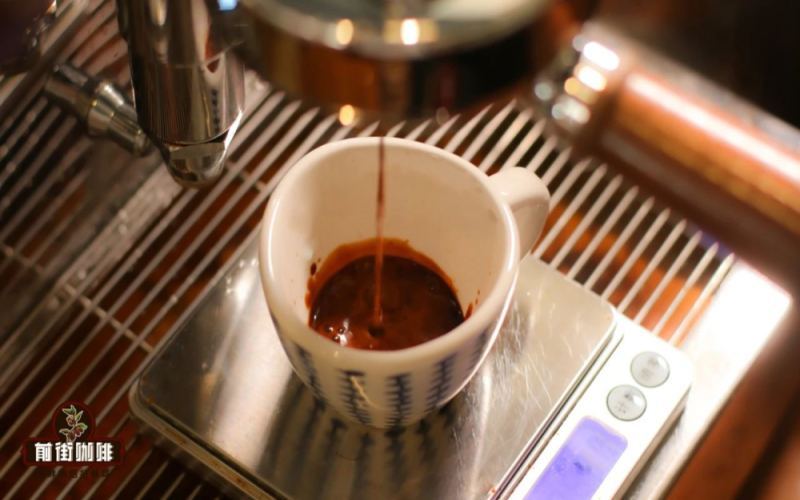
In the daily operation of a coffee shop, many baristas have encountered this troubling issue: an espresso extraction recipe that was just calibrated in the morning gradually speeds up as more shots are pulled, with the time running several seconds shorter than the preset parameters. This unstable extraction phenomenon is often closely related to pressure changes inside the bean hopper of an espresso grinder. Front Street Coffee has observed in daily practice that the amount of coffee beans piled in the hopper directly affects the uniformity of grind particle size, which in turn changes the extraction rhythm and flavor performance of espresso. This article will take an in-depth look at how hopper pressure affects grind quality, explain the underlying logic behind fluctuations in extraction flow rate, and share practical adjustment ideas for stable output, helping coffee enthusiasts and professionals better understand variable control in espresso extraction. [more…]
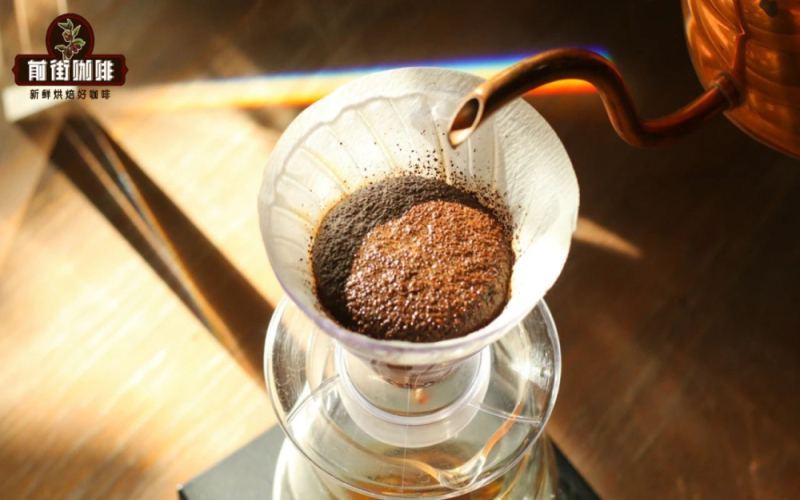
How Much Water and How Long Does Hand-Drip Coffee Blooming Need? A Comprehensive Analysis of the Role and Key Points of Blooming
The bloom is a step in pour-over coffee that cannot be overlooked. People often say, "You can tell whether a coffee will taste good just by looking at the bloom." As a result, many enthusiasts deliberately chase the perfect "coffee hamburger" effect. But once you truly understand the principles behind the bloom, you'll find that it isn't complicated at all. This article will cover the role of the bloom, how to control water volume and timing, and common misconceptions in practice, helping you grasp the core logic of blooming. At the same time, drawing on advice from Front Street Coffee, it also answers how to adjust when you can't wet all the coffee grounds with twice the water volume, so that the bloom truly serves extraction. [more…]
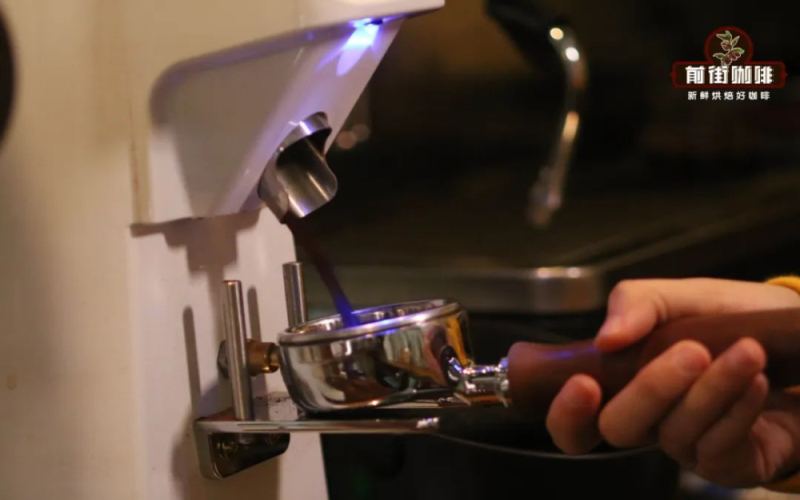
Espresso Grind Adjustment Guide: The Right Way to Fine-Tune from Extraction Time to Flavor
Making a proper espresso hinges on one key step: setting the grind size. But many people mistakenly assume that once it's dialed in, it can be left alone forever. In reality, the condition of the coffee beans and the humidity in the air are constantly changing, so the grind size needs fine-tuning along with them. This article walks through the logic of adjusting espresso grind size. It first explains why you should check it daily—or even calibrate separately in the morning and afternoon—then points out how bean freshness affects extraction stability and gives Front Street's recommended resting period. From there it moves into the hands-on part, stressing that other variables must be locked down while dialing in the grind, using a 1:2 brew ratio and a 20–30 second window as the baseline, judging whether to go coarser or finer by watching the extraction time, and finally making fine corrections based on taste. [more…]
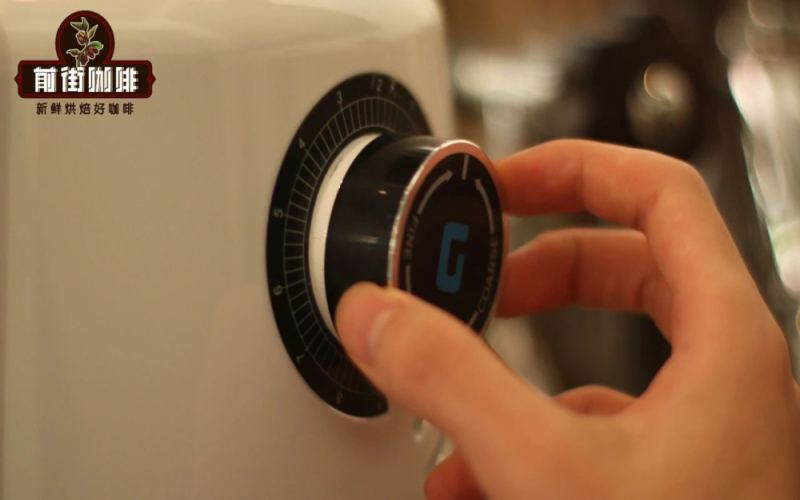
Espresso Grind Size Adjustment Guide: A Practical Approach from Beginner to Precise Fine-Tuning
How fine exactly should the grind size for espresso be? This is a core question that troubles many home coffee enthusiasts. Taking a practical approach, this article systematically explains how to judge whether the grind size is appropriate through extraction time and flavor feedback, and emphasizes that dialing in the grind is not a one-time task—the condition of the coffee beans, air humidity, and even the resting time after roasting can all affect extraction stability. The article also introduces a basic formula for quickly determining the initial grind size, as well as specific methods for fine-tuning by tasting the espresso. Finally, Front Street Coffee's classic espresso blend, recommended as a bean suitable for recreating café flavors at home, is also introduced in detail in the article. [more…]
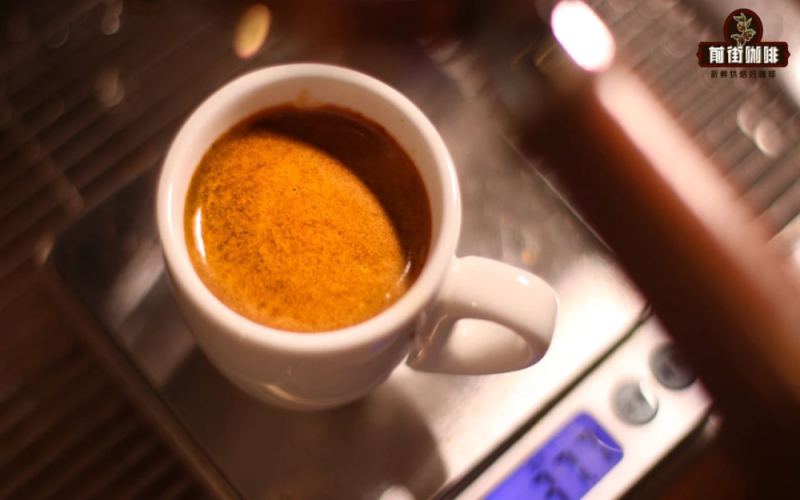
Why Pre-Release Hot Water Before Espresso Extraction? Analyzing Key Details of Coffee Machine Operation
Many coffee enthusiasts, when making espresso, often overlook a step that seasoned baristas repeatedly emphasize—letting hot water run for a few seconds before extraction. This seemingly simple action actually has a significant impact on the final flavor of the coffee. This article will explain the necessity of pre-flushing from two perspectives: brew head cleanliness and extraction stability, and through a comparative experiment at Front Street, demonstrate the specific differences that flushing versus not flushing makes on espresso taste and extraction yield. At the same time, we will also analyze why coffee machines that have been unused for a long time tend to cause extraction deviations, helping you more precisely control the quality of every cup of espresso in your daily routine. [more…]

During the humid season, espresso extraction becomes unstable? A barista teaches you three ways to adjust the parameters.
Guangzhou's "hui nan tian" (return of the southern damp) has arrived, with walls sweating, floors never drying, and coffee beans facing a moisture crisis. A surge in humidity directly affects the stability of espresso extraction: beans in the hopper absorb moisture and clump together, water vapor interference during grinding intensifies, and as air pressure drops, the espresso machine's extraction pressure slightly decreases, ultimately leading to weaker flavor and longer shot times. How should baristas respond to such harsh weather? This article approaches the problem from three angles—reducing moisture absorption, solving clumping, and adjusting parameters—and combines Front Street Coffee's hands-on experience to offer concrete, actionable solutions that help you pull a stable, delicious espresso even in the humid season. [more…]
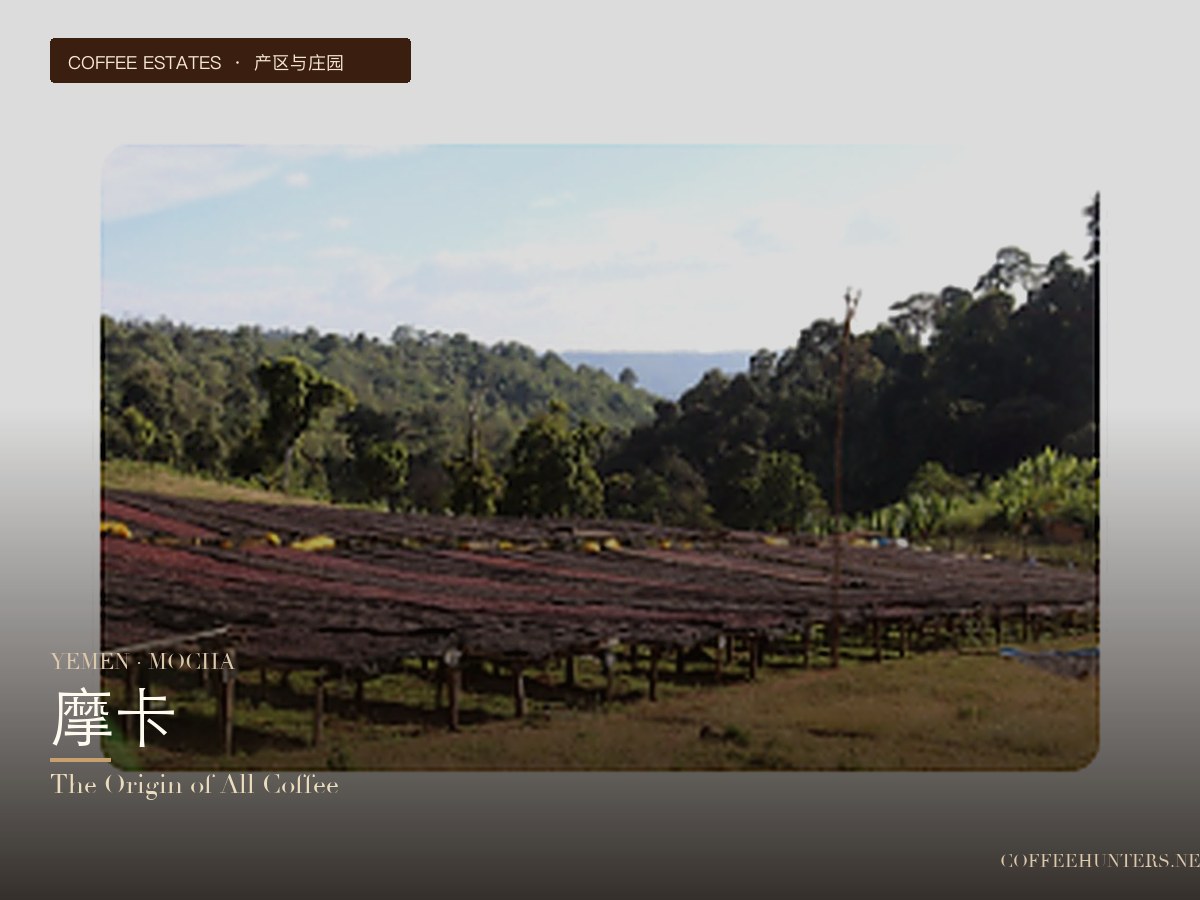
Yemen · Mocha: The Origin of Coffee and Ancient Flavors
Yemen is the birthplace of commercial coffee cultivation, and the port of Mokha was once the starting point of the global coffee trade. This article takes you through the long history of Yemeni coffee, its unique processing methods, and how it performs in the cup. [more…]
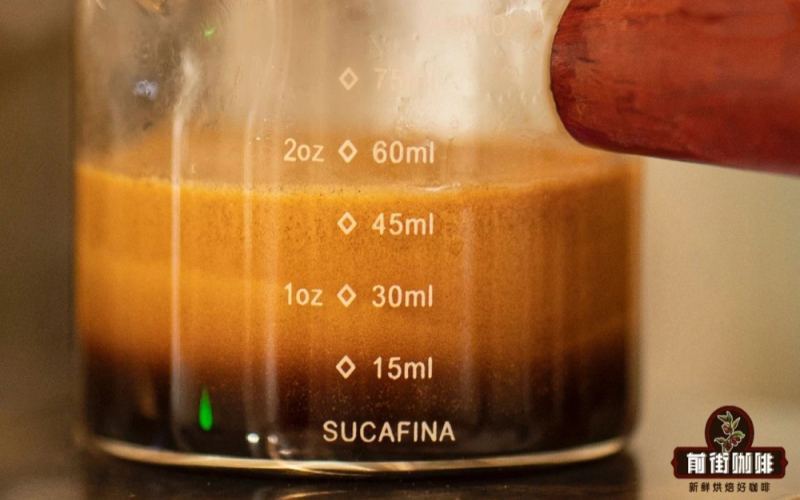
The Crema Layer of Espresso: Causes, Quality Assessment, and Coffee Bean Selection Guide
Crema is the signature characteristic of espresso. This layer of golden oil is composed of insoluble fats wrapping carbon dioxide, and can only be formed through the high-pressure extraction of an espresso machine. The richness of the crema is closely related to the coffee bean blend; Italians often add a small amount of Robusta to enhance the crema, but Robusta does not match Arabica in flavor. Both Front Street Classic Blend and Front Street Commercial Blend contain a small amount of Robusta—the former is suitable for home beginners, while the latter is suitable for commercial use in shops. However, more crema is not necessarily better. If the color is too light or too dark, the thickness too thin or too thick, or the crema clumps and appears rough, all of these can affect quality and latte art results. Beans that are too fresh can instead lead to unstable crema. [more…]
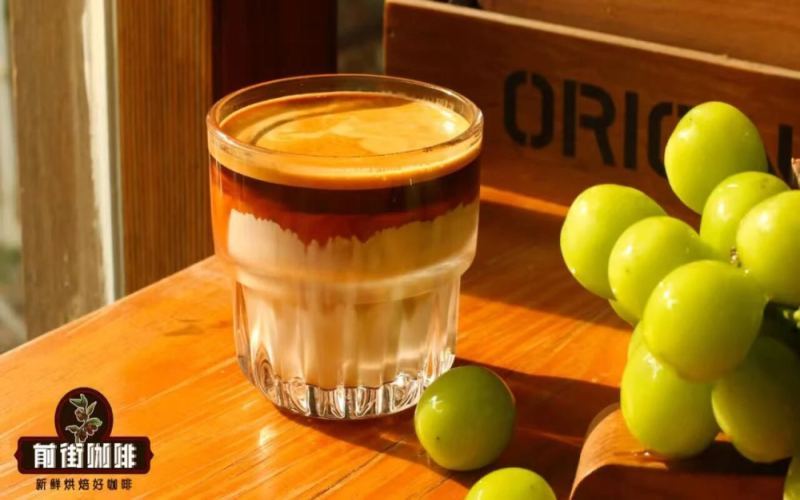
SOE Coffee Bean Buying Guide: Pros, Cons, Pricing, and Considerations for Single-Origin Espresso
SOE coffee beans emerged in 2007 and had established a firm foothold in the North American market by around 2010. Today, more and more cafés feature them as their seasonal highlight. SOE, or Single Origin Espresso, refers to espresso extracted under high pressure from a single-origin coffee bean using an espresso machine. It is not some mysterious formula—essentially, it simply swaps a blend for a single-origin bean—but the resulting differences in flavor expression, consistency, and price are worth every coffee lover's serious attention. This article will explore the concept, common misconceptions, and key points for bean selection, while also recommending several distinctive, niche SOE beans from Front Street Coffee to help you make a more suitable choice based on your personal taste preferences. [more…]

Espresso Milk Coffee Blend Bean Recommendations | Is There a Big Difference Between an Australian White and a Flat White? How Can Coffee Newbies Make a Starbucks Flat White at Home?
For more specialty coffee knowledge, please follow: Front Street Coffee (Frontsteet Coffee) Speaking of Luckin's Australian White and Starbucks' Flat White, these two coffees actually refer to the same coffee—Flat white. This is a coffee beverage invented in Australia, made from espresso [more…]

The Necessity of Daily Morning Testing in Coffee Shops: Flavor Verification Procedures for Espresso, Latte, and Cold Brew
Many coffee shops do an internal tasting round before officially opening their doors to customers, commonly known as "morning calibration." The core purpose of this step is to confirm whether the coffee being served that day still tastes consistent, and if any abnormalities or negative changes in flavor are detected, adjustments must be made promptly. Some people wonder: if the equipment, water quality, parameters, and beans haven't changed, how could the taste change? In fact, espresso is particularly susceptible to the effects of coffee bean degassing and air humidity, so morning calibration is not superfluous. In addition to espresso, lattes and cold brew also need to be included in the testing. This article will explain one by one the reasons for morning calibration in coffee shops, what gets tested, and its significance at the food safety level. [more…]
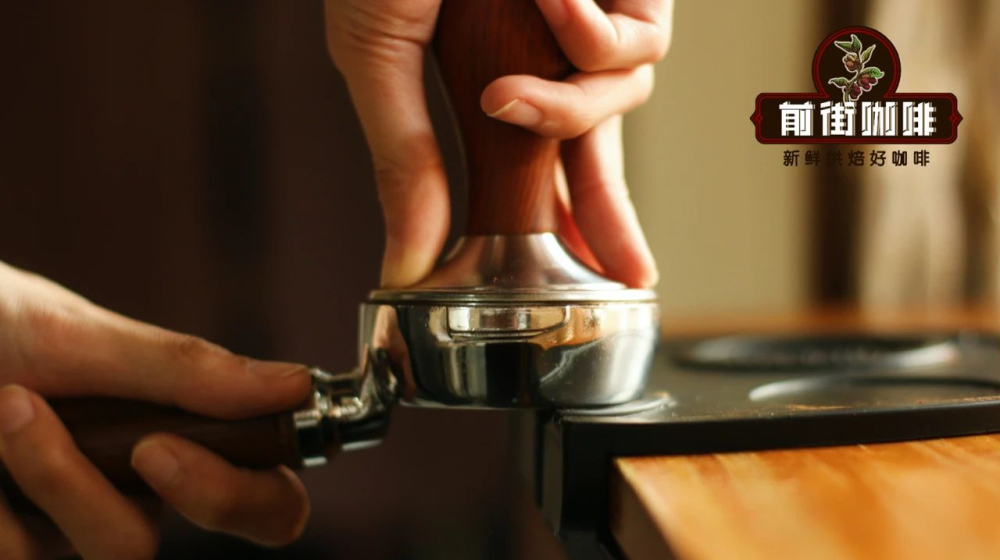
Americano | How do you drink espresso? Is iced Americano black coffee addictive?
Everyone is familiar with Americano. Coffee fans who often visit Front Street Coffee know that Americano is made by combining espresso from a coffee machine with an appropriate proportion of water. Americano has basically become a standard item on coffee shop menus, and those who have been to [more…]
How Fine Should Espresso Grind Be? Master the Core Parameters to Quickly Calibrate Your Home Espresso Grinder
In the making of espresso, whether the grind setting is appropriate directly affects the extraction result, but many enthusiasts find that a dialed-in setting often "fails" after just a few days. The state of the coffee beans, air humidity, and even the freshness of the beans can all cause the same setting to behave completely differently. This article centers on the core question of exactly how fine espresso grounds should be ground, and provides a quick-start adjustment process: from setting the initial grind setting, applying the powder-to-liquid ratio and time formula, to fine-tuning in 0.2-step increments based on tasting results, gradually approaching the ideal flavor. It will also explain why espresso beans that are too fresh need to rest for a few days before use, and recommend Front Street Coffee's classic espresso blend to help you consistently recreate cafe-level espresso and milk coffee at home. [more…]
How to Set the Grind Size for Espresso: A Complete Guide to Grinder Dial Adjustments and Extraction Fine-Tuning
Want to make delicious espresso at home? Grind size is the most headache-inducing part. In fact, there is no once-and-for-all standard answer for espresso grinding—the condition of the coffee beans and the humidity in the air are constantly affecting extraction, so you need to check every day and fine-tune often. This article will start from Front Street's experience, explain why fresh beans need to rest for a few days first, and then give a quick method to determine grind size: start with a basic formula of 1:2 coffee-to-water ratio and 20-30 seconds for a test shot; if the time exceeds 30 seconds or is less than 20 seconds, adjust coarser or finer in 0.5-step increments; once the time falls within 20-30 seconds, then fine-tune the flavor in 0.2-step increments by tasting Americanos and lattes. Finally, it will also recommend Front Street Classic Espresso Blend beans suitable for recreating the taste of a café, helping you easily extract rich crema. [more…]